

Florida homeowners know that summer brings more than sunshine. Heavy afternoon thunderstorms, tropical weather systems, and weeks of steady rainfall can put every part of your home’s exterior to the test. While many people focus on their roof during storm season, gutters often go overlooked until a problem develops.
Your gutter system plays an important role in directing rainwater away from your home’s foundation, siding, landscaping, and outdoor living areas. When gutters become clogged, damaged, or worn out, even a single storm can lead to costly water damage that affects both the appearance and structure of your property.
For homeowners throughout Ocala, The Villages, Belleview, Dunnellon, and surrounding Central Florida communities, preparing gutters before peak rainy season can help prevent unexpected repairs and protect your investment. Knowing what warning signs to look for is the first step.
Below are seven common signs that your gutters may need professional attention before Florida’s rainy season reaches its peak.
1. Your Gutters Are Pulling Away From the House
One of the easiest signs to spot is a gutter system that appears to be pulling away from your home. Gutters are designed to sit securely against the fascia board and maintain proper alignment to direct water toward downspouts.
Over time, heavy rainfall, accumulated debris, and normal wear can place extra stress on the fasteners that hold gutters in place. If you notice gaps between the gutter and your home, loose brackets, or sections that appear to sag, it may be time for repairs.
When gutters pull away from the structure, water can flow behind the system instead of through it. This can lead to wood rot, fascia damage, and moisture issues around your roofline.
Addressing these problems early can help prevent more extensive repairs and keep your gutter system functioning properly throughout Florida’s rainy season.
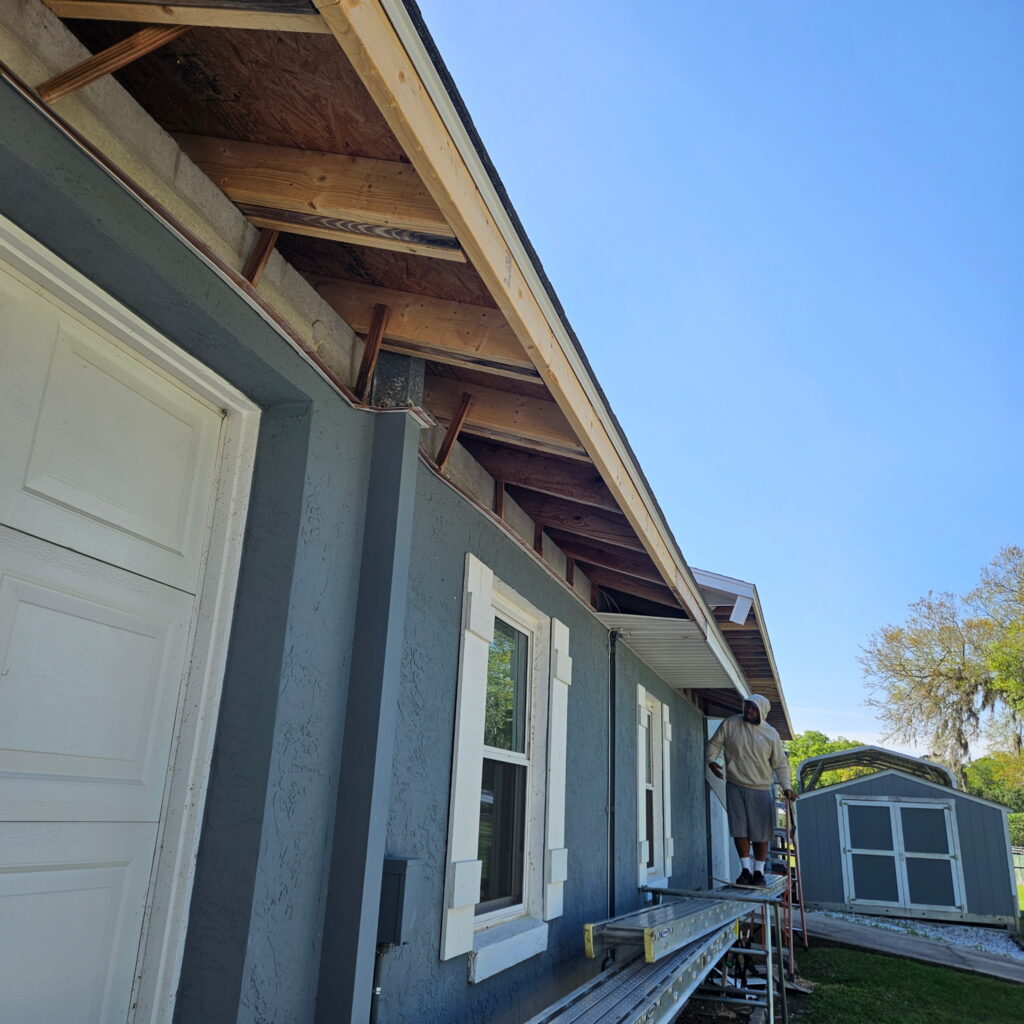
2. Water Is Overflowing During Rainstorms
Your gutters should guide rainwater safely away from your home. If water is spilling over the sides during a storm, your system is signaling that something isn’t working correctly.
Overflowing gutters are often caused by leaves, pine needles, dirt, and other debris that restrict water flow. In some cases, gutters may be undersized, improperly pitched, or damaged.
While it may seem like a minor issue, overflowing water can create significant problems. Excess runoff can damage landscaping, stain exterior surfaces, and increase the risk of foundation issues over time.
If you notice water cascading over the edges of your gutters during Florida’s frequent summer storms, it’s a good idea to schedule an inspection before the problem worsens.

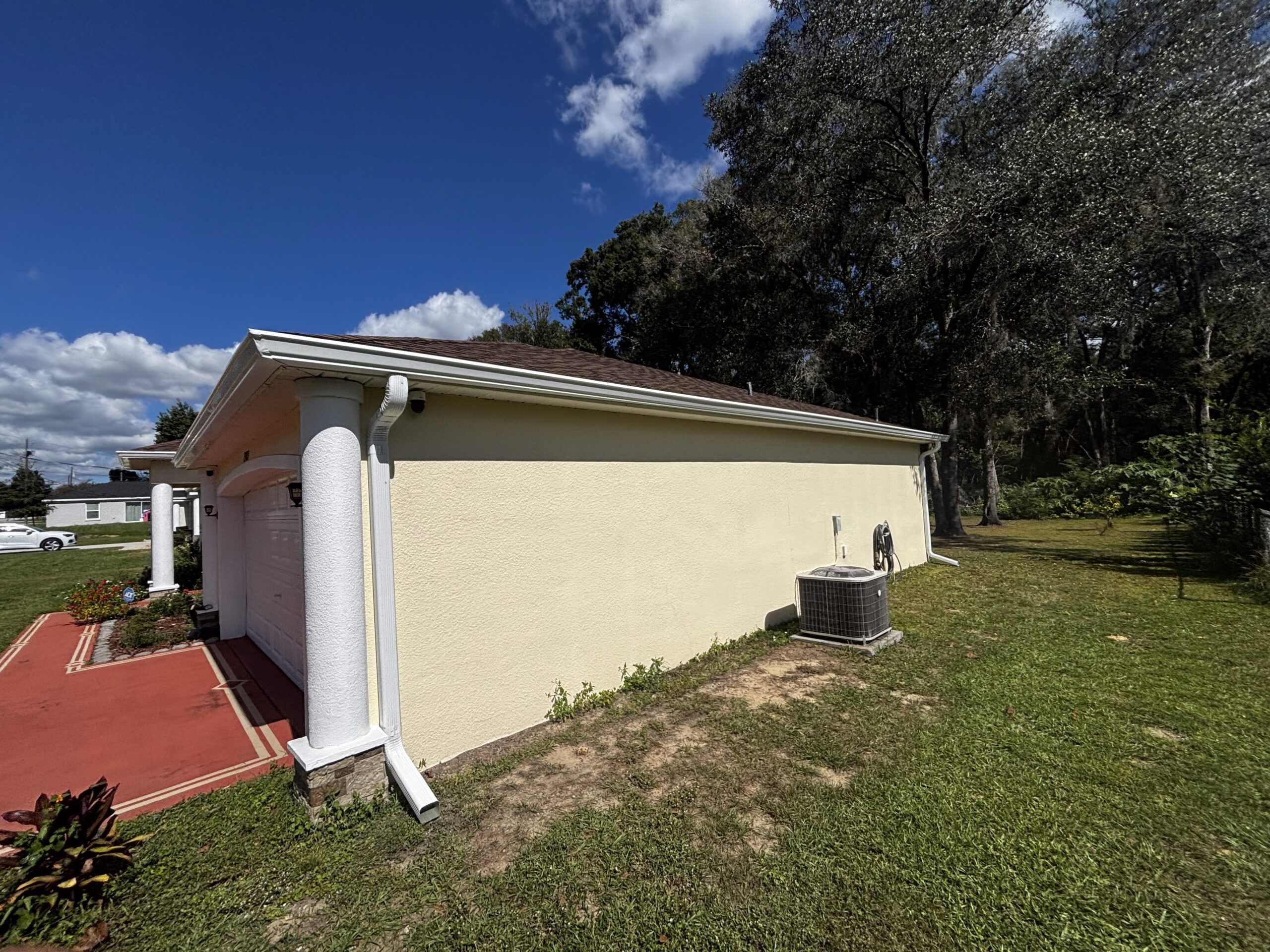
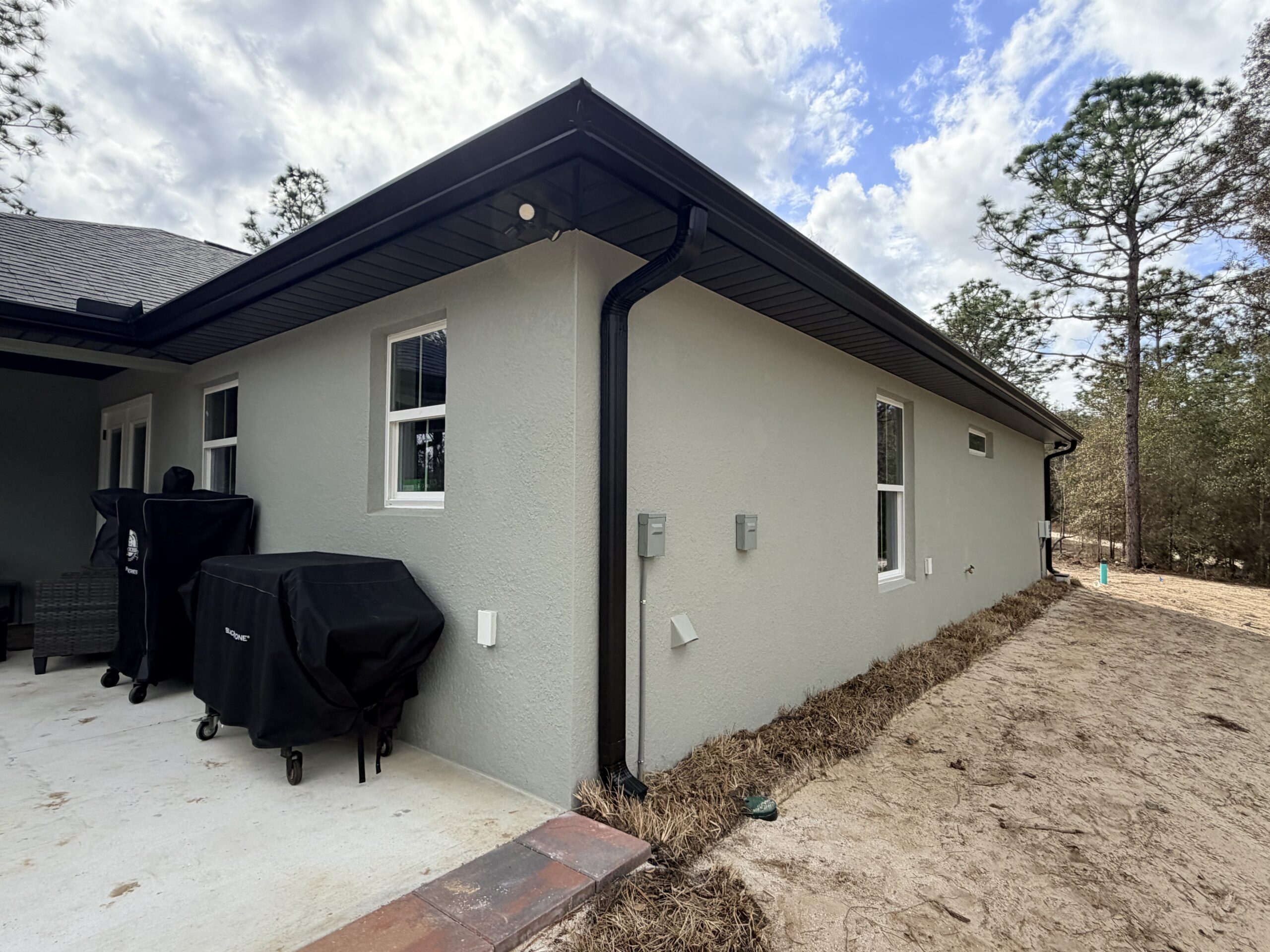
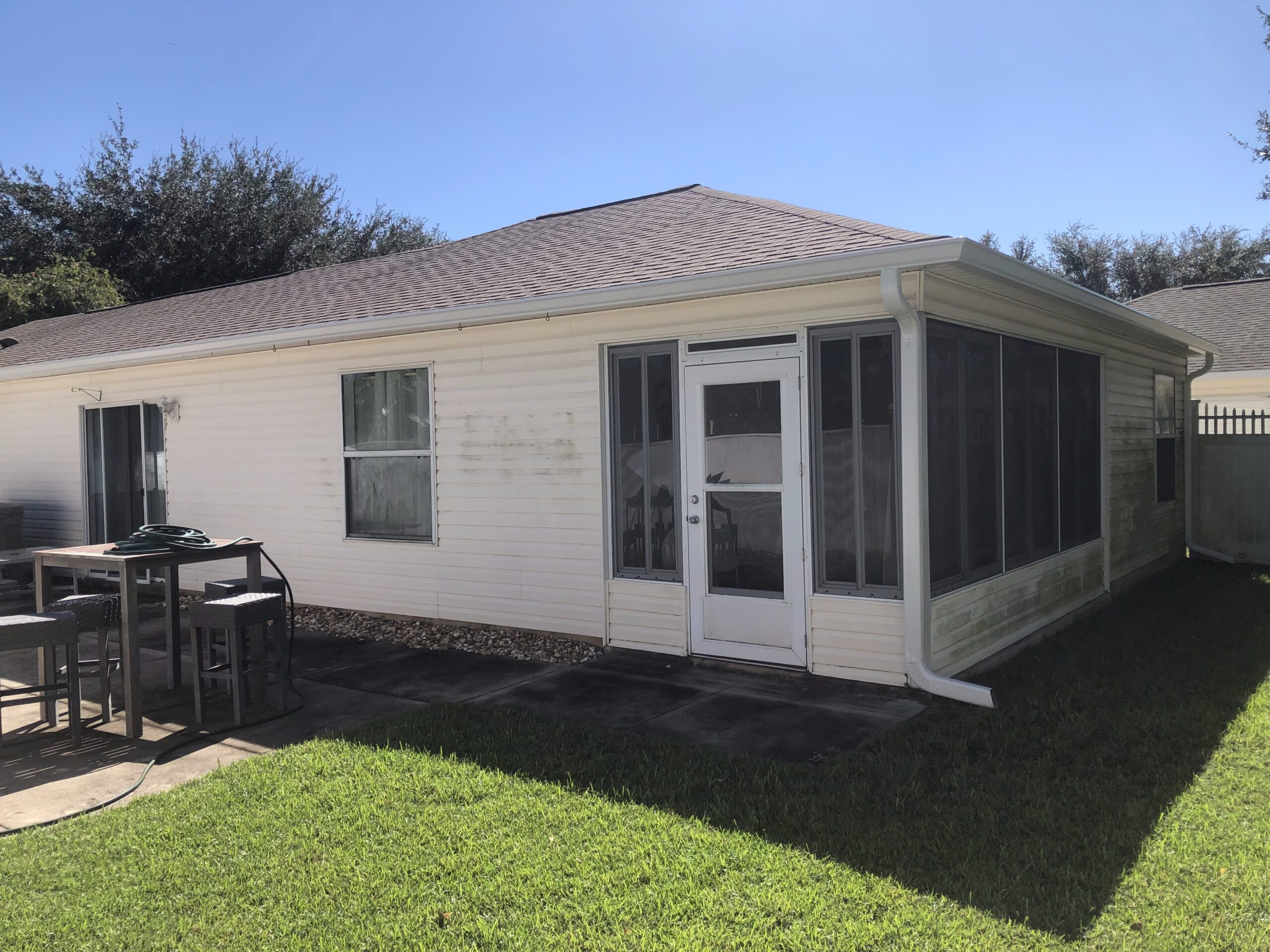
3. You Notice Soil Erosion Around Your Foundation
Your foundation depends on proper water management to remain stable and protected. When gutters fail to direct water away from your home, the surrounding soil can begin to wash away during heavy rainfall.
Signs of erosion may include exposed roots, displaced mulch, trenches forming near the foundation, or standing water around the perimeter of your home.
Florida’s rainy season can accelerate these issues, especially when multiple storms occur within a short period. As soil shifts and erodes, additional pressure can be placed on your foundation, potentially leading to expensive structural concerns.
A properly functioning gutter system helps control water runoff and protects one of the most important components of your home.
4. Stains Are Appearing on Your Siding or Fascia
Water stains on your home’s exterior are often a warning sign that your gutters are not directing water where it should go.
When gutters overflow or leak, water can repeatedly run down siding, fascia boards, and other exterior surfaces. Over time, this moisture can leave behind discoloration, staining, mold, and mildew growth.
Beyond appearance, prolonged exposure to moisture can lead to wood deterioration and additional repair costs. Homeowners sometimes mistake these stains as purely cosmetic issues when they may actually indicate a larger drainage problem.
If you begin noticing streaks or discoloration around your roofline or exterior walls, it’s worth having your gutter system evaluated.
5. Your Gutters Are Sagging or Holding Water
Gutters should maintain a slight slope that allows water to flow smoothly toward downspouts. When sections begin sagging or collecting standing water, drainage becomes less effective.
Standing water can increase the overall weight of the gutter system and create additional strain on brackets and fasteners. It can also attract mosquitoes and contribute to rust or corrosion over time.
Common causes include debris buildup, improper installation, damaged supports, or age-related wear.
A professional inspection can determine whether the issue can be repaired or if replacement is the most cost-effective long-term solution.
6. You're Seeing More Mosquitoes and Pests Around Your Home
Florida’s warm climate already creates ideal conditions for insects. When gutters become clogged and hold standing water, they can become an attractive breeding ground for mosquitoes and other pests.
Debris-filled gutters may also provide shelter for ants, wasps, rodents, and birds looking for a protected nesting area.
While pest activity can have multiple causes, clogged gutters are often an overlooked contributor. Keeping gutters clean and free-flowing can help reduce these conditions and improve overall drainage around your property.
For many homeowners, installing gutter guards can significantly reduce debris buildup and minimize ongoing maintenance requirements.
7. You're Constantly Dealing With Clogs
Occasional gutter cleaning is a normal part of home maintenance. However, if your gutters seem to clog after every storm, there may be a larger issue at play.
Trees surrounding the property, inadequate gutter design, aging systems, or insufficient protection can all contribute to recurring blockages.
Frequent clogs reduce your gutters’ ability to manage water effectively and increase the likelihood of overflow, leaks, and structural damage.
If you find yourself repeatedly cleaning gutters throughout the rainy season, it may be time to explore professional solutions that provide better long-term performance and protection.
Protect Your Home Before the Next Florida Storm
Florida’s rainy season can put tremendous stress on your home’s gutter system. Identifying problems early can help you avoid costly repairs, protect your foundation, and keep water flowing safely away from your property.
If you’ve noticed any of these warning signs, now is the perfect time to schedule a professional inspection. Whether your gutters need repairs, replacement, or an upgrade, addressing issues before the next major storm can save time, money, and frustration.
At Brownings Aluminum & Screen Repair, we’re proud to help homeowners throughout Ocala, The Villages, Belleview, Dunnellon, Summerfield, and surrounding communities protect their homes with dependable gutter solutions and quality craftsmanship.
Contact our team today for a free estimate by filling out the form below, and find out how we can help keep your home ready for Florida’s rainy season.
Florida Rainy Season Gutter FAQ
How often should gutters be cleaned in Florida?
Most Florida homeowners should have their gutters inspected and cleaned at least twice per year. Homes surrounded by trees may require more frequent maintenance, especially during the rainy season when leaves, pine needles, and debris can quickly accumulate.
What are the signs that my gutters need repair?
Common signs include sagging gutters, water overflowing during storms, visible cracks, gutters pulling away from the house, water stains on siding, and erosion around your foundation. Addressing these issues early can help prevent more costly repairs.
Can clogged gutters damage my home's foundation?
Yes. When gutters become clogged, rainwater can overflow and collect around your home’s foundation. Over time, excessive moisture can contribute to soil erosion, foundation settling, and other structural concerns.
Are gutter guards worth it in Florida?
For many homeowners, gutter guards can be a valuable investment. They help reduce debris buildup, improve water flow, and minimize the need for frequent gutter cleaning. Gutter guards can be especially beneficial for properties with nearby trees.
How do Florida storms affect gutter systems?
Heavy rainfall, strong winds, and flying debris can place significant stress on gutter systems. Storms may cause gutters to loosen, clog, sag, or sustain damage that affects their ability to direct water away from your home.
When should I replace my gutters instead of repairing them?
If your gutters have extensive rust, multiple leaks, severe sagging, or recurring problems throughout the system, replacement may be the most cost-effective solution. A professional inspection can help determine whether repair or replacement is the better option.
How can I prepare my gutters for Florida's rainy season?
Start by removing debris, checking for leaks, ensuring downspouts are clear, and inspecting for loose fasteners or sagging sections. Scheduling a professional gutter inspection before peak rainy season can help identify potential issues before severe weather arrives.
Do gutters help protect my landscaping?
Yes. Properly functioning gutters direct rainwater away from flower beds, shrubs, mulch, and other landscaping features. This helps prevent soil erosion, washouts, and damage caused by excessive water runoff.