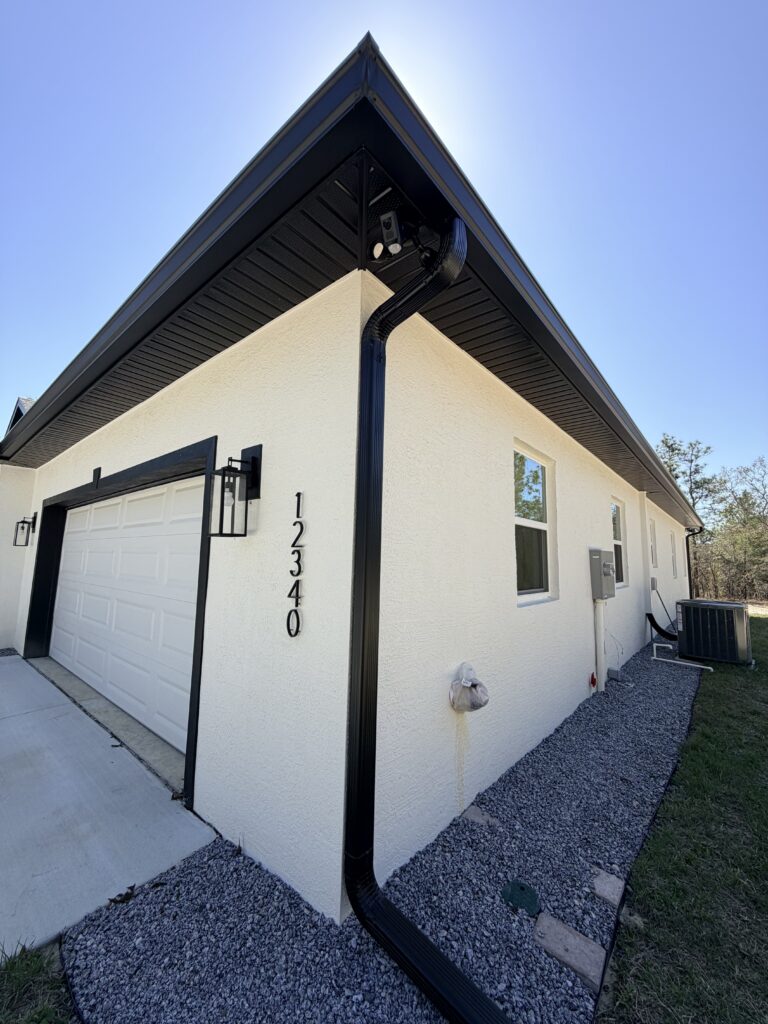

Florida rainstorms can dump a tremendous amount of water on your home in a short period of time. When your gutter system is working properly, that water is collected from the roof and directed safely away from your home. When something interferes with that process, however, water can quickly begin spilling over the sides.
Overflowing gutters are more than an inconvenience during a storm. Repeated overflow can send water toward siding, landscaping, walkways, and areas around your home’s foundation. Understanding what causes gutter overflow can help Florida homeowners recognize problems early and keep their drainage systems working when heavy rain arrives.
Florida Rain Can Overwhelm an Already Struggling Gutter System
Florida’s intense downpours put gutter systems under significantly more pressure than light, steady rainfall. A gutter that appears to work normally during a small shower may struggle once a summer thunderstorm sends a much larger volume of water across the roof.
Heavy rainfall can also expose problems that have been developing gradually. Partial blockages, poor drainage, damaged sections, or an improperly functioning downspout may not be obvious until the system has to handle a major storm. If your gutters consistently overflow during heavy rain, the rainfall may simply be exposing an underlying problem.
Clogged Gutters and Downspouts Are the Most Common Culprits
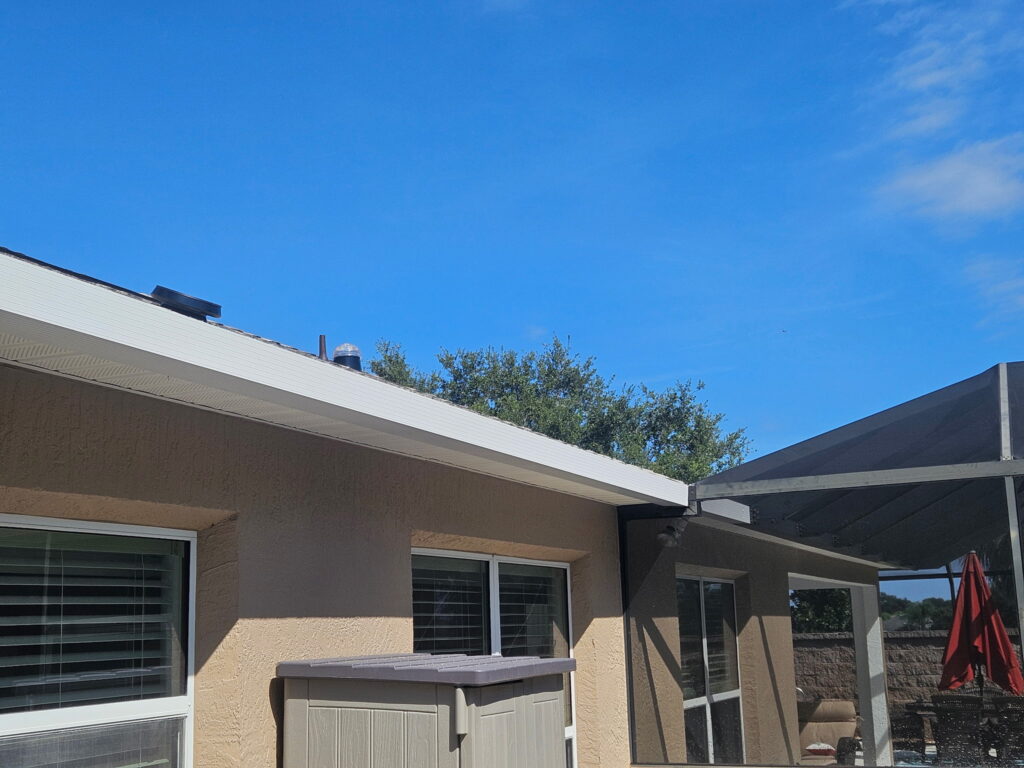
Leaves, pine needles, twigs, roof debris, and other material can accumulate inside gutters and restrict the path water needs to travel. Even a partial clog can become a major problem when a large amount of rainwater enters the gutter at once.
Downspouts can become blocked as well. When water reaches a clogged downspout and cannot drain efficiently, it begins backing up into the gutter until it eventually spills over the edge. Routine cleaning helps keep both gutters and downspouts clear so stormwater has an unobstructed route away from the roof.
Improper Gutter Slope Prevents Water From Draining Correctly
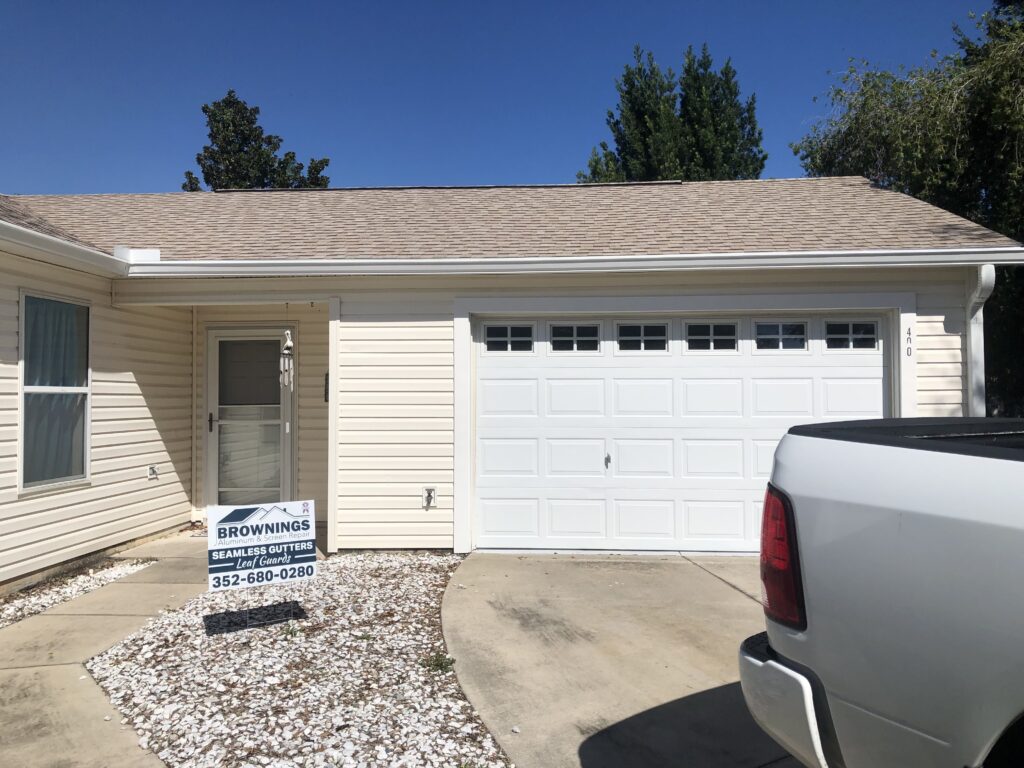
Gutters may look level from the ground, but they are installed with a slight pitch that encourages water to flow toward the downspouts. If that slope is incorrect, water can collect in low spots instead of draining from the system.
Standing water adds unnecessary weight to gutters and leaves less capacity available when the next storm arrives. Over time, loose fasteners or sagging sections can also change the original pitch of the system. Correcting these drainage issues can restore proper water movement without necessarily requiring an entirely new gutter system.
Your Gutters May Be Too Small for the Amount of Water Coming Off Your Roof
The size and design of a gutter system affect how much water it can handle at one time. Larger or steeper roof surfaces can collect significant amounts of rainwater during Florida storms, and an undersized system may not have enough capacity to move that water efficiently.
Downspout placement matters too. Even appropriately sized gutters can overflow if there are too few outlets for water to escape quickly. A professional evaluation can determine whether the existing system is properly sized and configured for the home rather than simply assuming every overflow problem is caused by debris.
Damage and Sagging Can Create New Overflow Problems
Florida weather can be hard on exterior components. Wind, heavy rainfall, falling branches, and years of exposure can loosen gutter fasteners, create damaged sections, or cause gutters to pull away from the roofline. Once the system loses its proper position, water may begin collecting or spilling in places it should not.
Visible sagging, separation, leaks at seams, or water consistently pouring over one particular area can all indicate a problem beyond ordinary cleaning. Addressing damaged sections early can help prevent water from repeatedly draining against areas of the home that the gutter system is meant to protect.
Regular Maintenance Helps Keep Florida Stormwater Moving
Gutter problems are often easiest to spot during or immediately after heavy rain. Homeowners can watch for overflowing sections, slow drainage, standing water, or downspouts that appear to be moving very little water. These observations can help identify where the system is struggling.
Regular inspections and maintenance are especially valuable in Florida, where gutters may need to handle intense rainfall throughout much of the year. Keeping the system clear and addressing damaged or poorly draining sections before they worsen helps prepare your home for the next downpour.
Keep Your Gutters Ready for Florida’s Next Downpour
If your gutters overflow every time a Florida storm rolls through, Browning’s Aluminum can help determine what is causing the problem. From gutter repairs and maintenance concerns to replacement systems, our team can help you find a solution that keeps rainwater moving away from your home.
Contact Browning’s Aluminum today to learn more about professional gutter services and get your home ready for Florida’s next heavy rain.